
What Is Astrology, and Why Are There Different Systems?
Astrology is the belief that the positions of celestial bodies — the sun, moon, planets, and stars — influence human personality, behavior, and life events. But astrology isn't one single tradition. Different cultures developed their own systems for tracking the sky and interpreting its meaning, which is why you'll find Vedic, Mayan, and Western astrology answering the same basic question — "what do the stars say about me?" — in very different ways.
If you've ever calculated your zodiac sign on different apps and gotten conflicting answers, this is usually why. Each system uses a different calendar, a different starting point in the sky, and a different philosophy about what astrology is even for. Here's a breakdown of all three.
Western Astrology: The System Most People Know
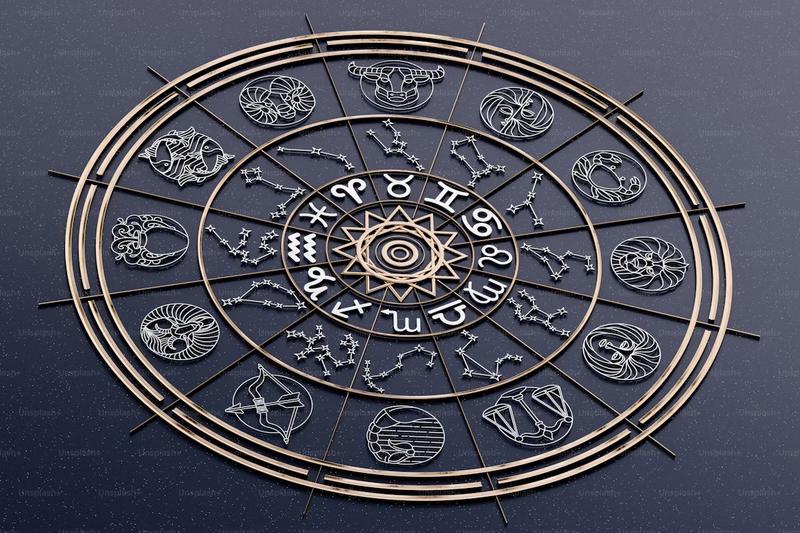
Western astrology is the most widely practiced system globally, especially across Europe, the Americas, and much of Asia including Malaysia. It's the source of the familiar 12 zodiac signs — Aries through Pisces — that you see in horoscope columns and apps.
Key features of Western astrology:
- Based on the tropical zodiac, which is anchored to the seasons rather than the actual position of constellations. The zodiac "resets" at the spring equinox every year.
- Sun sign is the primary focus. Your sun sign (the one people usually mean when they ask "what's your sign?") is determined by your birth date.
- Uses a full birth chart that also considers your moon sign (emotions), rising sign (outward personality), and the placement of planets like Venus and Mars for a more complete personality map.
- Personality-driven. Western astrology tends to focus on individual psychology, compatibility, and self-understanding rather than predicting specific life events.
This is the system behind most "daily horoscope" content and astrology apps you'll find today.
Vedic Astrology: India's Ancient Sidereal System
Vedic astrology (also called Jyotish) originated in ancient India and is still widely practiced today, particularly across South Asia and Tamil-speaking communities. While it also uses 12 zodiac signs with familiar names, the way it calculates them is fundamentally different from Western astrology.
Key features of Vedic astrology:
- Based on the sidereal zodiac, which is aligned with the actual, current position of constellations in the sky — not the seasons. Because the Earth's axis slowly shifts over time (a phenomenon called precession), sidereal and tropical zodiacs have drifted about 24 degrees apart. This means your Vedic sign is often one sign "behind" your Western sign.
- Moon sign takes priority, not the sun sign. In Vedic astrology, your moon sign (called your Rashi) is considered the most important indicator of personality and is what many predictions are based around.
- Focuses on karma and life events. Vedic astrology leans more predictive than Western astrology, often used for decisions around marriage, career timing, and major life events. It incorporates planetary periods called Dashas to time these predictions.
- Uses Nakshatras, a system of 27 lunar mansions that adds a layer of detail beyond the basic 12 signs.
This is also the tradition behind related systems like Tamil astrology (Jothidam), which many people in Malaysia and across South Asia grow up with.
Mayan Astrology: A Calendar-Based Cosmology
Mayan astrology comes from a completely different source: the ancient Maya civilization of Mesoamerica, and it isn't built around the zodiac constellations at all. Instead, it's rooted in the Tzolk'in, a 260-day sacred calendar.
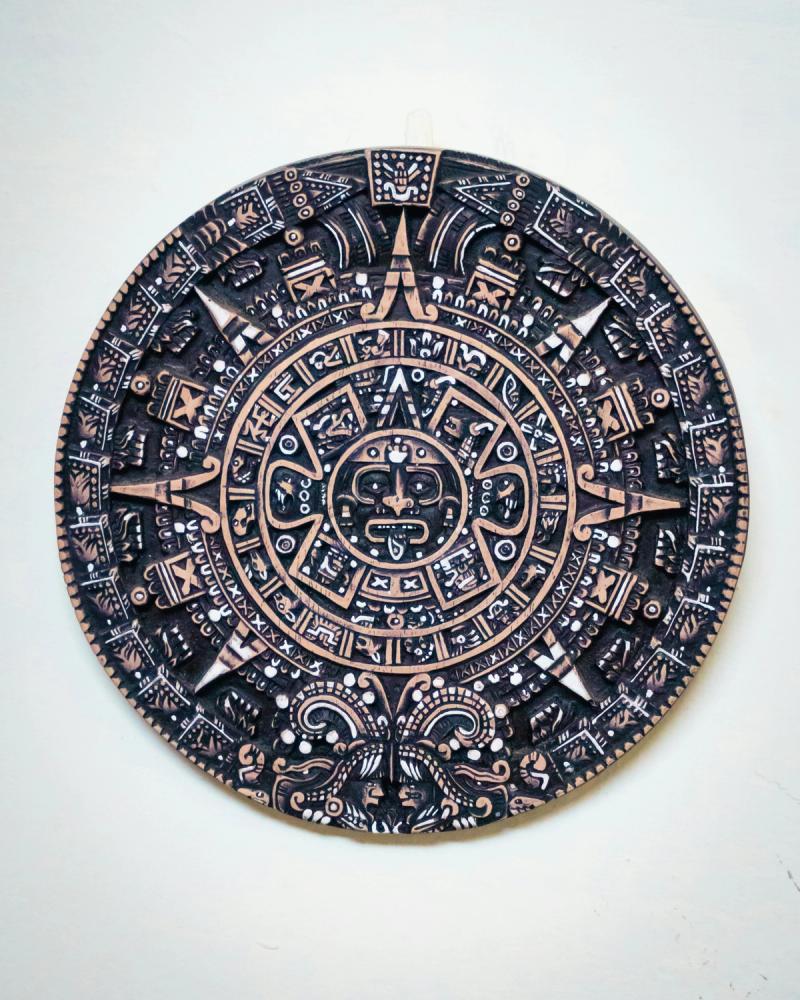
Key features of Mayan astrology:
- No connection to the zodiac constellations. Instead of 12 signs, Mayan astrology uses 20 day-signs (called Nawales or Day Signs), each representing an energy, animal, or natural force — such as Jaguar, Eagle, or Wind.
- Combines a day sign with a number (1–13), creating 260 unique combinations in the Tzolk'in calendar, which is believed to reflect the human gestation period.
- Focuses on destiny and purpose rather than personality traits. Your Mayan sign is thought to represent your life's spiritual mission rather than just describing how you behave.
- Tied to a broader cosmological worldview involving cycles of time, ancestral energy, and the natural world, rather than planetary movement.
Because it's structurally so different, calculating your Mayan sign requires a specific Tzolk'in converter — you can't use a regular birthday-to-zodiac chart.
Vedic vs Mayan vs Western Astrology: Quick Comparison
Western
Vedic
Mayan
Origin
Ancient Greece/Babylon
Ancient India
Ancient Mesoamerica
Zodiac type
Tropical (season-based)
Sidereal (star-based)
Not zodiac-based (calendar-based)
Number of signs
12
12 (shifted from Western)
20 day-signs
Key factor
Sun sign
Moon sign
Day sign + number
Main use
Personality, compatibility
Predictions, life timing
Purpose, destiny
Which Astrology System Should You Follow?
There's no "correct" system — each reflects a different cultural lens on the same universal question. If you're drawn to psychological insight and compatibility, Western astrology's personality-driven approach might resonate most. If you're interested in life timing and predictive depth, Vedic astrology's Dasha system offers that layer of detail. And if you're curious about a more spiritual, purpose-oriented framework, Mayan astrology offers a completely different lens rooted in nature and destiny.
Many people actually enjoy exploring all three — since your sun sign, moon sign (Rashi), and day-sign each highlight a different facet of who you are.
Frequently Asked Questions
Why is my Vedic sign different from my Western sign?
Because Vedic astrology uses the sidereal zodiac (aligned with actual star positions) while Western astrology uses the tropical zodiac (aligned with the seasons), there's now roughly a 24-degree gap between them — enough to shift most people's sign by one.
Can I have a Western, Vedic, and Mayan sign all at once?
Yes. Since these are three separate systems based on different calculations, you can calculate and explore all three for your birth date.
Which astrology system is the oldest?
Vedic astrology is considered one of the oldest continuously practiced systems, with roots dating back thousands of years, though Mayan and Babylonian (the root of Western) astrology are also ancient.