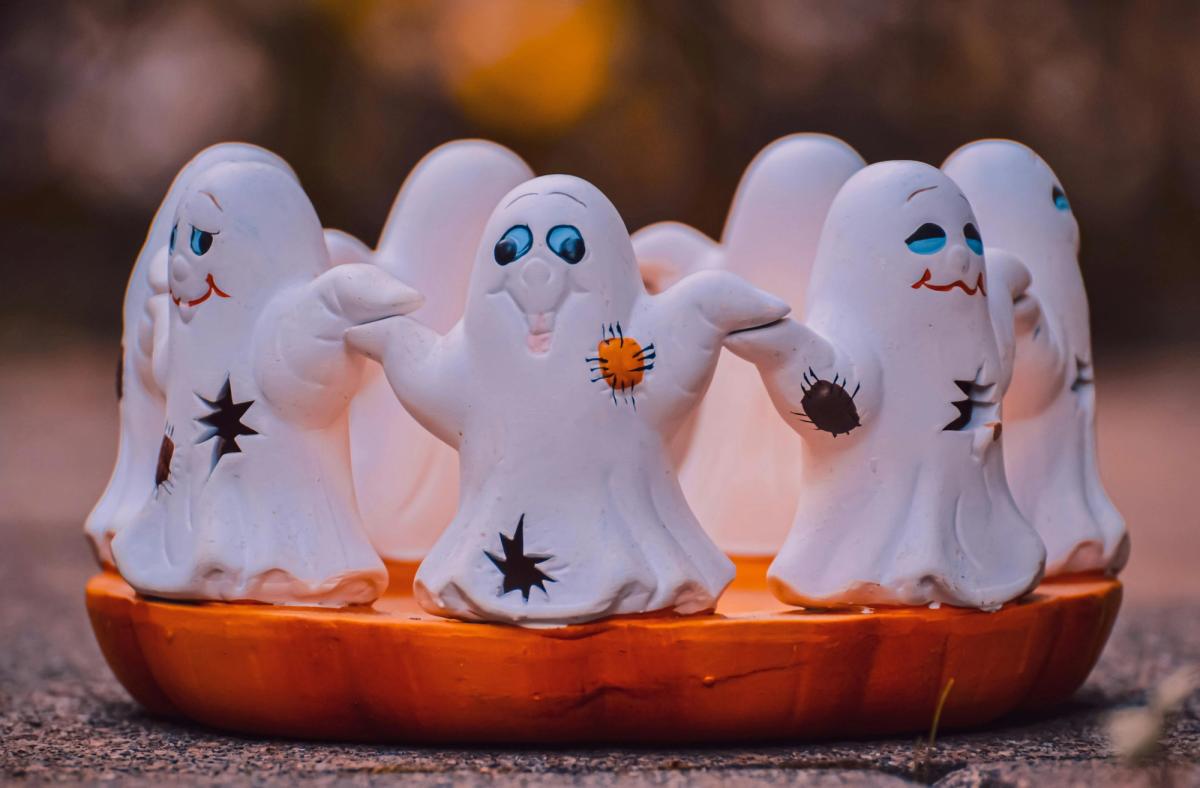
Update: Ghost Month 2026 ends on September 10. Here’s what happens when the gates close — and everything you can finally do again.
Something stirs every seventh lunar month. The air gets heavier. The incense burns longer. And across Southeast Asia, entire neighborhoods transform overnight: makeshift altars appear on sidewalks, joss paper crackles in metal drums, and the front rows of outdoor opera stages sit empty. Not because nobody showed up. Because those seats aren't meant for the living.
Welcome to Hungry Ghost Month - the one month of the year when the boundary between our world and what lies beneath it is said to dissolve completely.
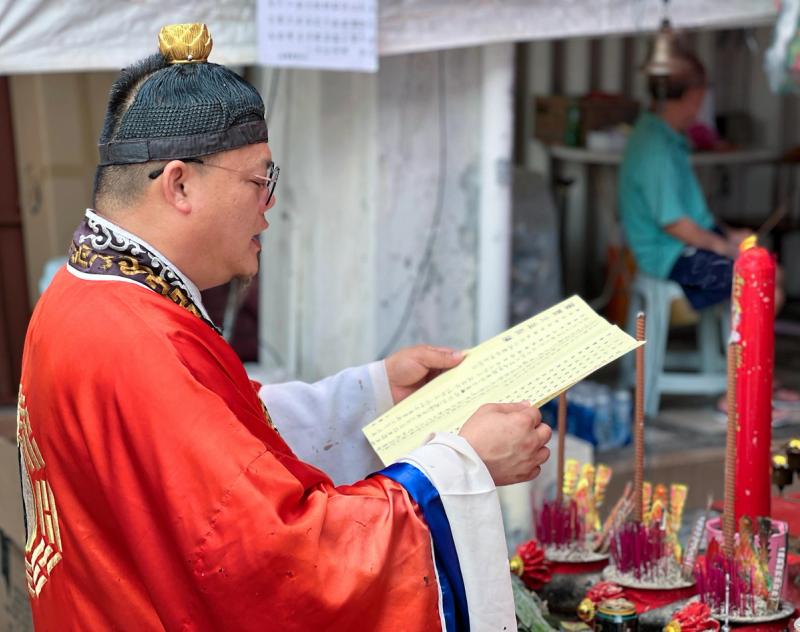
In 2026, Ghost Month runs from August 13 to September 10, with the peak Ghost Day falling on August 27. Whether you observe the traditions religiously or simply find the whole thing fascinating from a distance, there's something undeniably compelling about a cultural event built on the premise that for 29 days, the dead walk among us.
So where did all of this come from? And more importantly—should you actually be worried?
The Origin: A Son, a Mother, and the Realm of Starving Spirits
The roots of the Hungry Ghost Festival trace back to one of Buddhism's most haunting legends.
A monk named Maudgalyayana, known in Chinese tradition as Mulian (目連) was one of the Buddha's most gifted disciples. Blessed with supernatural sight, he used his powers to search for his deceased mother in the afterlife. What he found was horrifying.
His mother had been reborn as a hungry ghost, a preta, trapped in a realm of perpetual starvation. Her body was bloated, her throat impossibly narrow. She could not eat. She could not drink. When Mulian tried to offer her a bowl of rice, the food burst into flames the moment it touched her lips. Her accumulated karma had condemned her to a suffering he couldn't simply wish away.
Desperate, Mulian turned to the Buddha himself. The answer wasn't what he expected. The Buddha instructed him to prepare a grand offering not just for his mother, but for the entire monastic community on the 15th day of the seventh lunar month. Through the collective merit generated by this act of selfless generosity, Mulian's mother was finally liberated. She was freed from the hungry ghost realm and eventually reborn in heaven.
This story became the foundation of the Ullambana Festival in Buddhism. In Taoism, a parallel tradition emerged: the 15th of the seventh month is when Diguan (地官), the Earth Official, descends to the human realm to inspect the deeds of the living and grant amnesty to wandering spirits. Both traditions fused over centuries into what we now know as the Hungry Ghost Festival - a month-long observance of respect, ritual, and very careful behavior.
What Actually Happens During Ghost Month
According to tradition, on the first day of the seventh lunar month, the Gates of Hell swing open. The spirits of the dead, ancestors, forgotten souls, and restless ghosts alike are released to wander the earth for the entire month. Some return to visit family. Others, the "homeless" spirits with no descendants to honor them, roam hungry and aimless. These are the ones you don't want to provoke.
Communities respond with a month-long program of appeasement. Joss paper is burned in steel drums on sidewalks. Paper money, paper mansions, paper iPhones, paper luxury cars - sending material wealth to the afterlife. Food offerings line altars: fruits, rice, roast meats, and symbolic items like mi ku (tortoise-shaped buns for longevity) and huat kuih (prosperity cakes). Incense burns around the clock, guiding spirits and marking respect.
In Singapore and Malaysia, the tradition takes on a theatrical dimension. Getai: live stage performances featuring Chinese opera, pop songs, and comedy acts - are held outdoors throughout the month. They run from dusk until midnight. And that front row of empty chairs? That's reserved seating for the spirit guests. Sit there, and you might get more company than you bargained for.
On Ghost Day itself, the 15th day, August 27 this year, the spiritual activity is said to peak. Temples overflow. Offerings multiply. And the space between the seen and the unseen grows razor-thin.
The Taboos: 13 Things You Probably Shouldn't Do
Here's where Ghost Month gets interesting for skeptics and believers alike. The list of taboos is long, surprisingly specific, and ranges from deeply spiritual to oddly practical. You don't have to believe in wandering spirits to notice that most of these are, at minimum, good common sense.
1. Don't swim. Water ghosts are said to search for "replacement souls"; someone to drown so the ghost can be reincarnated. Superstition aside, August monsoon currents are genuinely dangerous.
2. Don't stay out late. Yin energy (dark, cold, spiritual) peaks after sunset. The later you're out, the more vulnerable you supposedly are - especially children, the elderly, and pregnant women.
3. Don't hang laundry outside overnight. Spirits are said to "try on" hanging clothes. Wearing a garment a ghost has inhabited invites illness. At the very least, your clothes will smell like joss paper smoke.
4. Don't whistle at night. The frequency supposedly attracts spirits. Whether or not that's true, whistling alone on a dark Southeast Asian street at midnight is its own kind of risk.
5. Don't pat someone on the shoulder. In Chinese spiritual belief, humans carry two protective "flames" on their shoulders. A pat extinguishes one, weakening your spiritual defenses.
6. Don't pick up random coins or objects from the ground. They might be offerings. Taking them could anger the spirit they were intended for, or, worse, create a spiritual "debt."
7. Don't start major ventures. No new businesses, no moving houses, no buying property, no signing big contracts. The energy of the month is considered unstable and inauspicious for new beginnings.
8. Don't get married. Of all the taboos, this one carries the most weight. Weddings during Ghost Month are considered deeply inauspicious as you may be inviting uninvited guests to your union.
9. Don't lean against walls. Spirits are said to prefer cool surfaces. Walls are their resting spots. Lean against one at night, and you're essentially sharing their space.
10. Don't turn around if someone calls your name at night. Especially if you don't recognize the voice. Responding to a spirit's call is said to acknowledge a connection you really don't want.
11. Don't wear all red or all black. Red attracts spirits; black makes you harder for your own guardian spirits to find and protect. Stick to neutral tones.
12. Don't take photos at night. Your camera might capture more than you intended. Whether that means orbs, shadows, or just bad angles is up to you.
13. Don't step on or kick roadside offerings. This one's just good manners, honestly. Someone prepared those offerings with intention. Respect the ritual, even if you don't share the belief.
Feng Shui Protection: Fortifying Your Space
For those who'd rather not leave things to chance, feng shui offers several practical measures for Ghost Month.
Light up your home. Darkness invites yin energy. Keep your home well-lit during the evening hours especially the main entrance and corridors. Spirits gravitate toward dark, stagnant spaces.
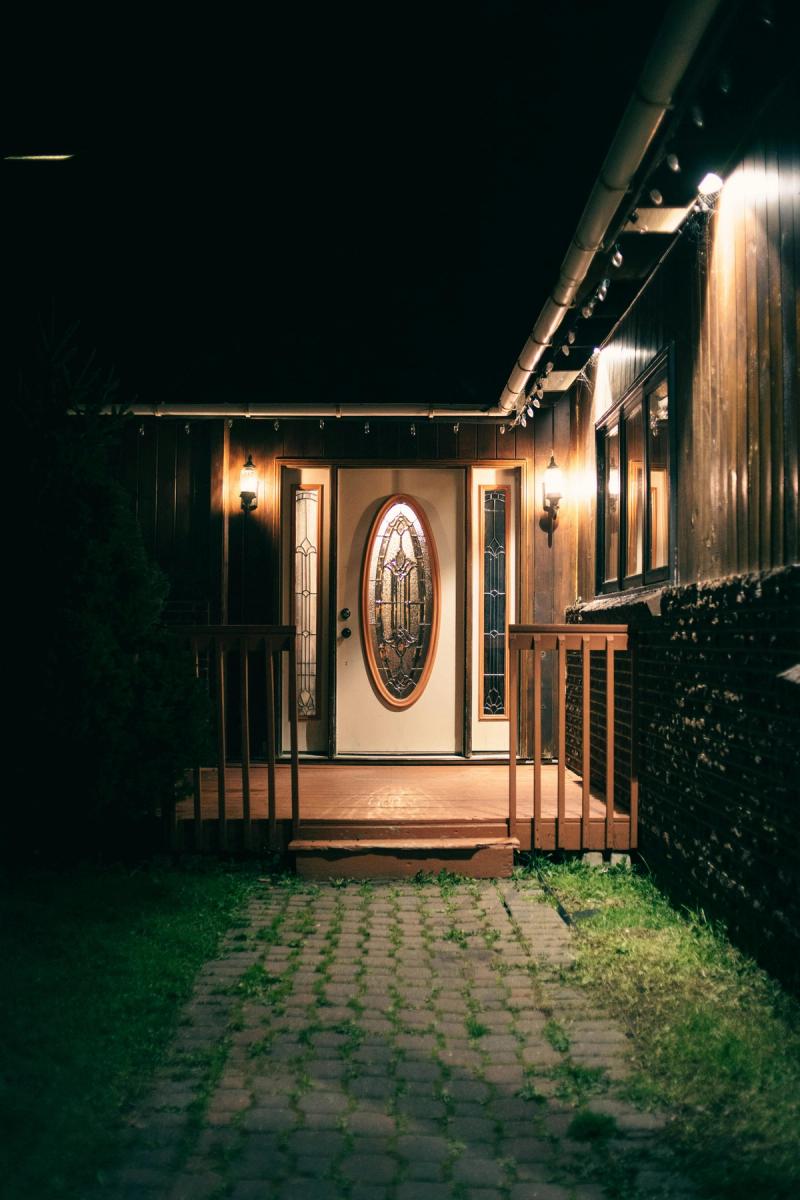
Protect your front door. In feng shui tradition, your main entrance is the primary point of energy entry for both the living and the not-so-living. Door God images, Fu Dogs, or a Chung Kwei (the legendary ghost-catcher) placed facing outward can serve as spiritual sentinels.
Burn incense or sage. Sandalwood incense is traditionally used to cleanse negative energy. Light it near your entrance in the evening to create an energetic boundary.
Keep your home clean and clutter-free. Stagnant chi attracts stagnant spirits. A cluttered, dusty home is essentially a welcome mat for uninvited guests. This is one of those instances where good feng shui practice and spiritual protection happen to be the same thing.
Set up a simple offering station. You don't need to go elaborate. A small table near your entrance with fruit, water, and incense is a gesture of respect that, according to tradition, generates good karma and keeps wandering spirits content enough to move along.
Carry protective items. Prayer beads, amulets, or even a small pouch of coarse salt or glutinous rice in your bag - these are traditional spiritual shields that practitioners swear by during the seventh month.
So... Should You Actually Worry?
Let's be real. If you're not steeped in Chinese folk religion or Southeast Asian spiritual practice, Ghost Month might sound like an elaborate superstition. And maybe it is. There's no scientific instrument that can detect a gate to the underworld or measure the yin energy of a sidewalk altar.
But here's the thing: this is what makes Ghost Month genuinely fascinating regardless of what you believe: every single taboo has a practical core.
Don't swim in August? Monsoon season makes waterways treacherous. Don't stay out late? Reduced visibility, more accidents. Don't start major ventures during an unstable period? That's just risk management dressed in spiritual clothing. Don't disrespect roadside offerings? That's basic decency toward your neighbors' traditions.
Ghost Month is, at its heart, a cultural technology. It's a framework that has kept communities careful, respectful, and connected to their ancestors for over a thousand years. The supernatural layer gives it weight and urgency but the practical wisdom underneath would hold up even in a world with no ghosts at all.
So whether you believe that something walks among us during the seventh month or you simply find the traditions beautiful in their devotion, the advice is the same: be a little more careful, a little more respectful, and a little more aware.
If the ghosts are real, you'll be glad you listened. If they're not, you'll have spent a month living just a little more mindfully.
And honestly? That's never a bad thing.
The gates close on September 10. Until then—leave that front row empty.