A Heart-to-Heart on Feng Shui: Is Your Home a Haven or a Hot Mess?
Ever walked into a room and just felt... good? Like the energy was so right, you wanted to curl up with a book and stay there forever? Or maybe you've entered a space that felt chaotic and draining. That's Feng Shui at work, whether you know it or not! This ancient Chinese practice is all about making your home your happy place. But in our modern world, there’s a bit of a friendly debate brewing: what’s the real deal with Feng Shui, and what’s just a shiny new trend?
The Old School: Nature’s Way
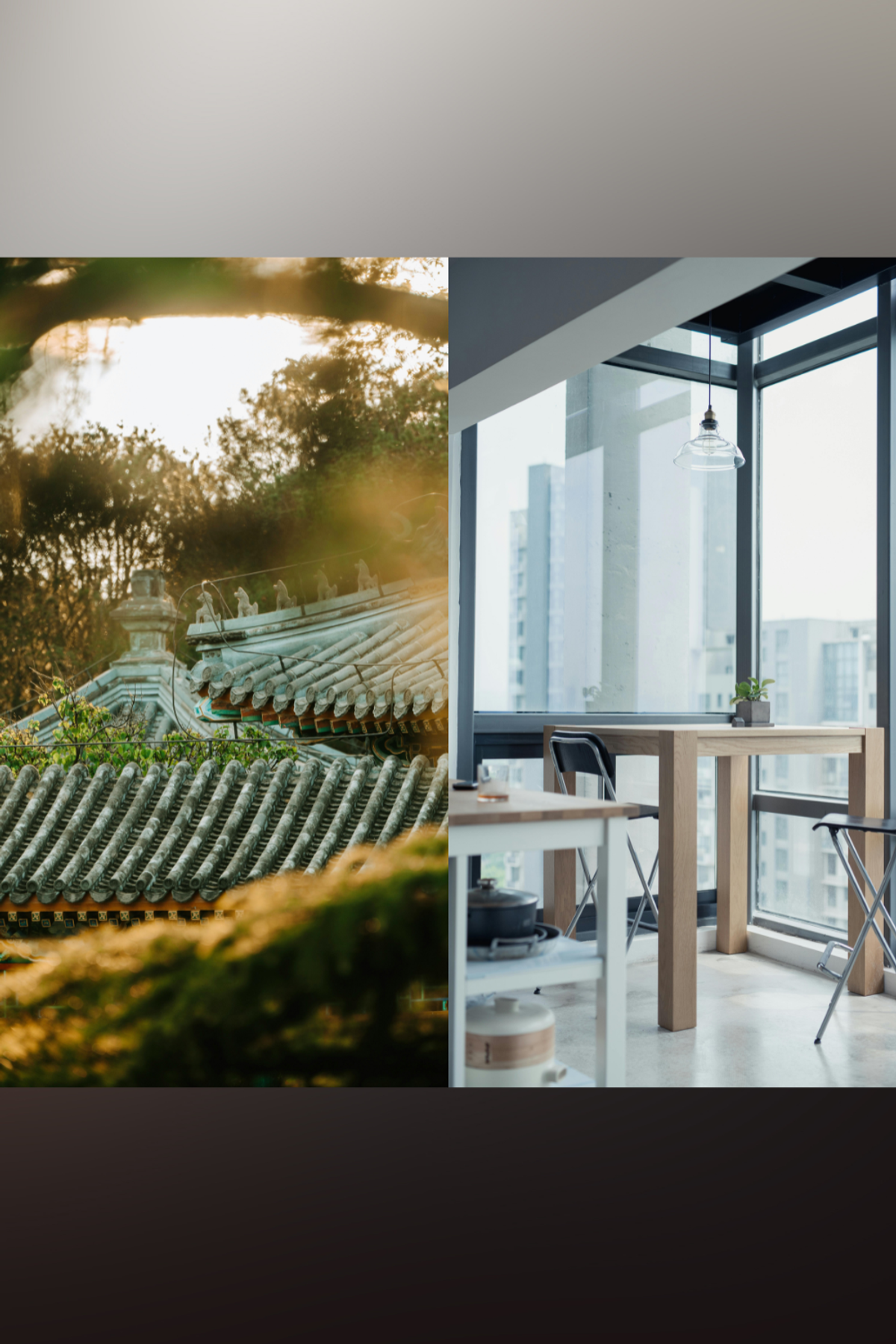
Think of traditional Feng Shui as a conversation with Mother Nature. It isn't about buying a specific trinket to fix a problem. Instead, it’s a deep, thoughtful practice based on the five natural elements: Wood, Fire, Earth, Metal, and Water. A Feng Shui master from the old school would study your home's natural light, the way air flows, and the lay of the land outside. They might suggest a plant to bring in some “Wood” energy or a simple water feature to encourage "Water" flow. It’s a subtle art of using what you already have—natural materials and colors—to create balance and harmony.
The New School: Magical Helpers
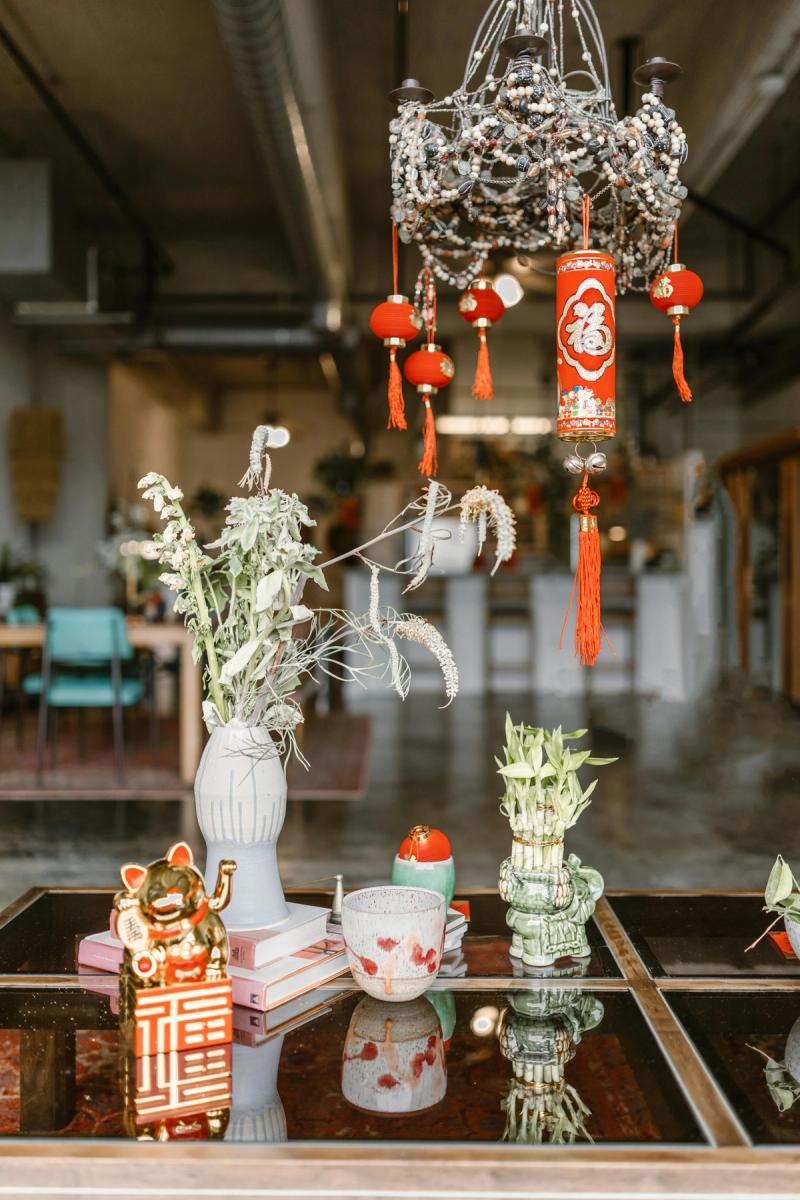
Now, let's talk about modern Feng Shui. This is where things get a little more... visible. Have you ever seen a three-legged money toad sitting on a counter, a small Bagua mirror above a doorway, or a crystal ball in a window? These are what we call "cures." They're often beautiful, symbolic objects meant to attract good luck, deflect negative energy, or solve a specific problem.
They can be a fun and meaningful way to connect with the practice. For some, placing a lucky charm is a powerful way to set an intention and focus on what they want to attract. However, purists might argue that relying solely on these items misses the point. It’s like putting a bandage on a leaky pipe instead of fixing the leak itself. The core of Feng Shui is about the invisible, natural energy flow, not just the physical objects you place around.
So, What's the Verdict?
Here's the beautiful part: there is no verdict! This isn't a competition. Think of traditional Feng Shui as the deep, soulful foundation of a good life—the quiet strength of a well-built house. Modern Feng Shui is the charming decor you add to make it feel like your home—the cozy throw pillows and art that make you smile.
The best approach is to try a little of both. Maybe you start by rearranging your furniture to create a better flow, and then you add a special piece that holds personal meaning for you. The most important thing is how your space makes you feel. Does it calm you down after a long day? Does it inspire you to be creative?
Your Happy Home Awaits
Ultimately, Feng Shui is a journey, not a destination. It's about being mindful of your surroundings and creating a space that nourishes your soul. So, whether you’re a purist or a fan of a few lucky charms, the goal is the same: to make your home a haven. Why not start with one small change today and see how it feels? Your home—and your spirit—will thank you for it! 🏡✨
Disclosure: Some links on this site are affiliate links. This means if you click on them and make a purchase, I may earn a small commission — at no extra cost to you. As an Amazon Associate I earn from qualifying purchases.